 bando
bando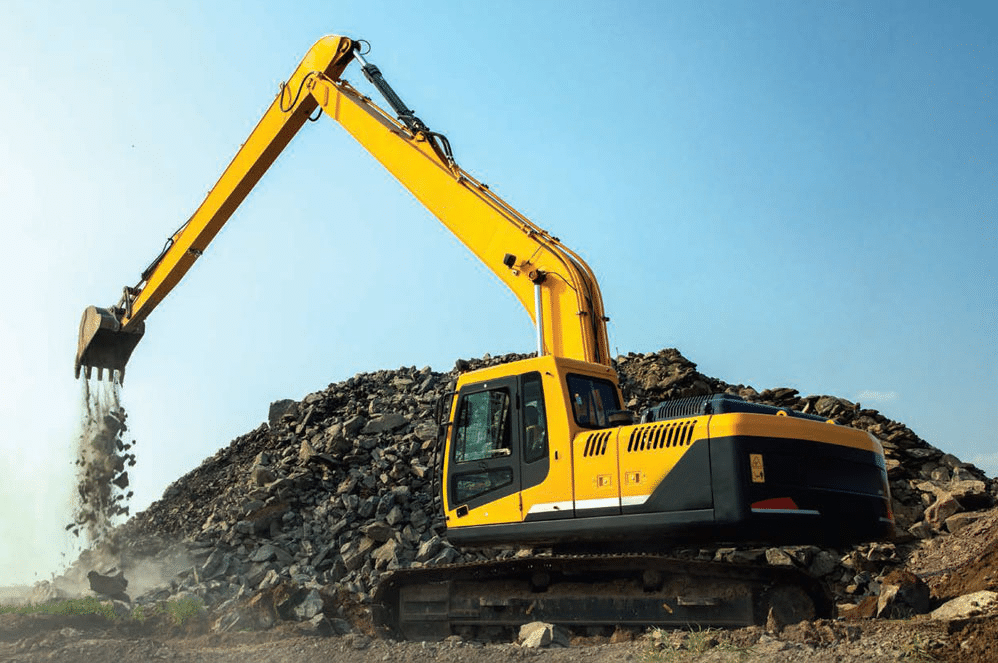
Large-scale excavations require equipment that can operate at depth, distance, and in difficult terrain without constant repositioning. In Australia, where civil construction, mining and marine infrastructure projects are generally faced with tough ground conditions and stringent safety standards, the choice of machinery can make or break productivity, cost and project schedules.
A long-reach excavator is manufactured for work that standard machines cannot do efficiently. These machines can have boom and arm assemblies ranging from 19 to over 37 metres, enabling operators to dig deeper, reach further and work from one position over a much larger area. That ability makes them ideal for projects with limited access, unstable ground conditions or where traditional equipment would require expensive workarounds.
Increased Productivity and Efficiency
Perhaps the most obvious benefit of a long-reach excavator is the time saved on repositioning. Standard machines often need to be moved many times around a site to reach the area required, slowing progress and increasing fuel and labour costs. A long-reach unit can work from a fixed position and cover a much larger area in one cycle.
That reach also translates into faster completion on deep excavation tasks. The machine can dig to depths of 20 metres or more without building access ramps, which is useful for projects such as basement construction, deep trenching and large drainage works. Eliminating the need to build ramps alone can save days off a project schedule and drastically cut the volume of earthmoving.
On bulk excavation sites, long-reach machines move more material per cycle than standard units working at the same depth. That efficiency multiplies over weeks of operation, helping contractors meet deadlines with fewer equipment hours and less congestion on site.
Enhanced Site Safety and Stability
Safety is always a big concern at any excavation site, and long-reach excavators help to mitigate some of the most common dangers in working deep or near water. The machines enable operators to work well away from unstable edges, steep batters and waterlogged ground, thus minimising the potential for ground-collapse incidents involving personnel or equipment.
Excavation is classed as dangerous work, with ground collapses able to happen quickly and with little warning, by Safe Work Australia. Safe working distances are essential for worksite safety on construction sites. Long-reach excavators are built on this principle, that the cab and operator are on stable ground and the boom extends into dangerous areas.
The machine is also designed to be stable in operation. These have strengthened undercarriages, wider track bases and heavier counterweights to keep them balanced even at full extension. This engineering lowers the risk of tipping when digging deep and sweeping to the side, which is especially important on slopes or uneven ground.
Versatility Across Specialised Applications
In addition to the standard excavation, long-reach machines are used for a wide variety of specialised jobs in the Australian construction and infrastructure industries. They are commonly used in the construction of marine and waterway projects to dredge, clear channels and form embankments. The operator stays on solid ground as the boom works over the water, making the logistics simpler and, in many cases, eliminating the need for floating plant.
In the city, multi-storey buildings are taken down with long-reach excavators, a controlled demolition at a safe distance. This method reduces dust and debris scatter and the need for workers at height, increasing site safety and regulatory compliance.
The cost savings are also considerable. The single long-reach unit can frequently substitute for a number of smaller machines, thus reducing fleet size, transport costs and demands for on-site coordination. Contractors can save project budgets without sacrificing depth or reach by eliminating the need for access ramps, shoring systems and other earthworks. Major advantages include:
- Less on-site equipment, less fuel cost and maintenance
- Deep excavation without access ramps saves time & materials
- Greater mechanical coverage per cycle lessens labour demands
Conclusion
Long-reach excavators provide quantifiable benefits to large excavation projects such as increased reach, less repositioning, increased safety and lower overall costs. They are ideally suited to Australia’s civil, marine and mining sectors, thanks to the ability to work from a fixed position with access to deep or distant work zones. For contractors working on complex sites with difficult access or ground conditions, these machines offer a practical way to increase efficiency, protect workers and keep projects on schedule.


